
Surface Decontamination · Franklinton
Surface decontamination in Franklinton.
Mobile surface decontamination in Franklinton. Franklinton is a small Franklin County town along the US-1 corridor with mostly rural-residential character, so agricultural and logging-truck traffic on local roads means cars accumulate tar and bug residue quickly. We bring the rig to your driveway and run the job hand-tight — no tunnel-wash shortcuts, no upsells while the polisher is running.
Get a Franklinton quote → See full surface decontamination service
5.0 from 37 local reviews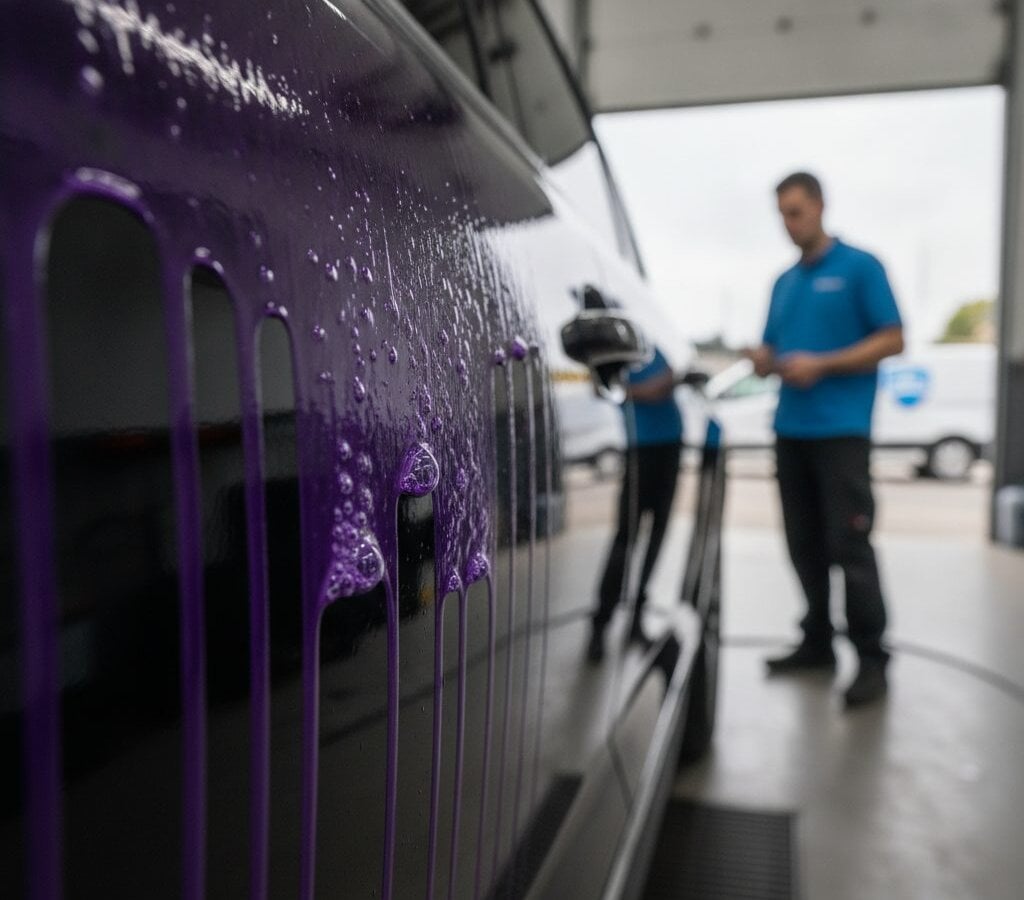
STRAIGHT ANSWER
Surface decontamination in Franklinton. Iron remover, tar remover, clay bar work. We come to downtown or rural Franklin County.
What sets Franklinton apart: a small Franklin County town along the US-1 corridor with mostly rural-residential character.
LOCAL CONTEXT · FRANKLINTON
What surface decontamination looks like in Franklinton.
Franklinton is a small Franklin County town along the US-1 corridor with mostly rural-residential character. Most of our surface decontamination work in Franklinton comes from downtown Franklinton, county-route properties off NC-56. Local climate note: pollen here lasts a week or two longer than Raleigh — we plan late-April clay-bar work for Franklinton bookings. One thing we always adjust for in Franklinton: agricultural and logging-truck traffic on local roads means cars accumulate tar and bug residue quickly.
BEFORE YOU BOOK
How to know when it is time, and what to expect.
When surface decontamination is the right step
Decontamination is the prep step that lives between washing and any paint correction or coating job. It's also a standalone service for vehicles that don't need correction but do need bonded contamination removed before the next maintenance cycle. The pattern: wash the car, run a clean hand across the paint, and if it feels like sandpaper instead of glass, that's iron, tar, sap, or industrial fallout bonded into the clear coat. Brush washes don't touch it. Most polishes don't either. You need iron remover, clay bar, and sometimes tar remover, in the right sequence. The decon step takes 45 to 90 minutes on a sedan, longer on a truck or SUV. It's where coating durability is won or lost.
What the walk-around covers
Contamination map first. We run a baggie test (hand inside a plastic sandwich bag, light pressure on paint) to feel what's bonded versus what's just surface dust. Iron fallout from brake dust and rail traffic shows up purple when we apply iron remover. Road tar is identified visually and treated with a dedicated solvent, not aggressive scrubbing. Tree sap goes off with the right enzyme. Industrial overspray from a contractor down the block is its own removal protocol. We tell you what's on the car and what comes off versus what needs polishing afterward. If your paint is also showing swirls, decon is step one of correction, and we'll quote the full job, not just decon.
The Franklinton wrinkle
In Franklinton specifically, the most common reason a surface decontamination booking gets pushed back a week is agricultural and logging-truck traffic on local roads means cars accumulate tar and bug residue quickly. We try to flag that during the walk-around so the timeline holds.
Ready for surface decontamination in Franklinton?
Free walk-around quote. We come to you — most requests get a text back within 2 business hours.
WHAT WE SEE IN FRANKLINTON
What this looks like for Franklinton drivers.
Franklinton commuter vehicles see brake-dust iron loading from daily Triangle drives plus rural-road tar and bug residue. Our decon sequence uses iron remover first, tar/bug solvent next, then clay. Each step prepares the paint for the next. Decon-only service runs 2-3 hours per vehicle.
WHAT WE LOOK AT
What we inspect before quoting in Franklinton
The diagnosis is the actual work. Here is what we check before we touch your vehicle, and why each one matters.
WHAT WE DELIVER ON THE JOB
The work, step by step.
Every job follows the same checklist. We do not skip steps to hit a price, and we do not add steps without telling you. Here is the full sequence on a surface decontamination job.
RESULT YOU CAN SEE
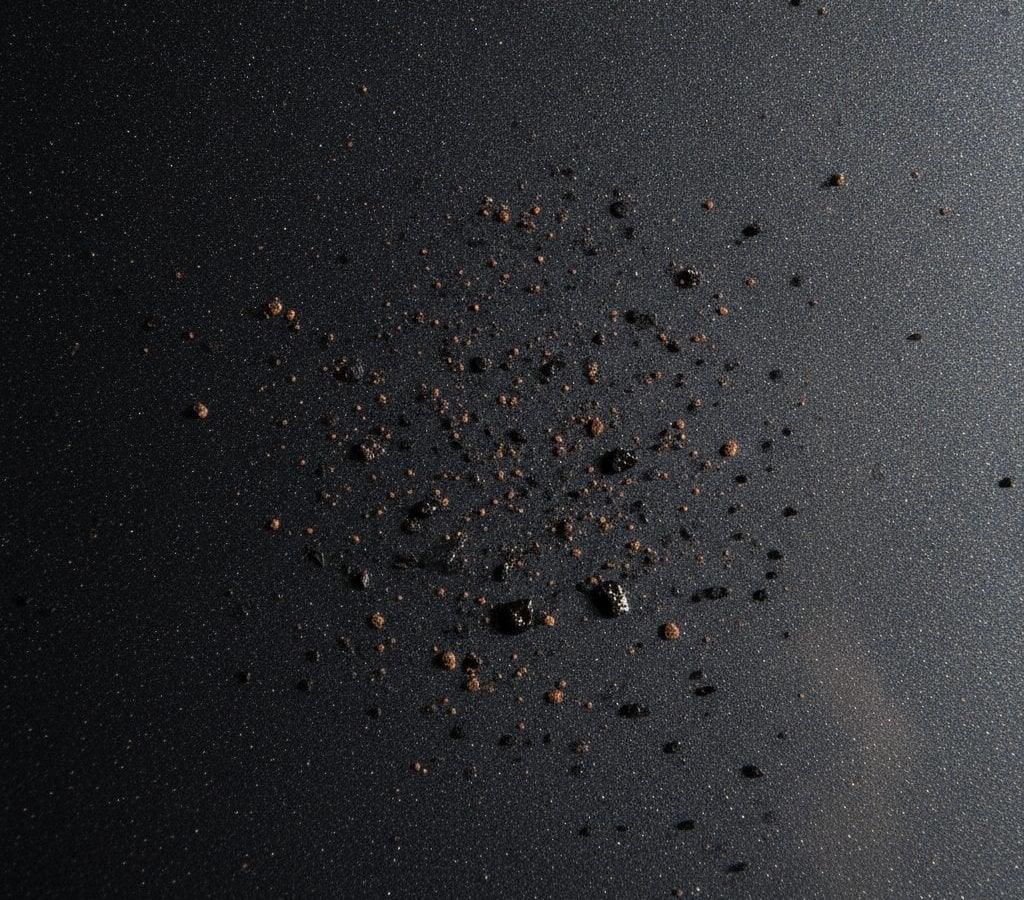
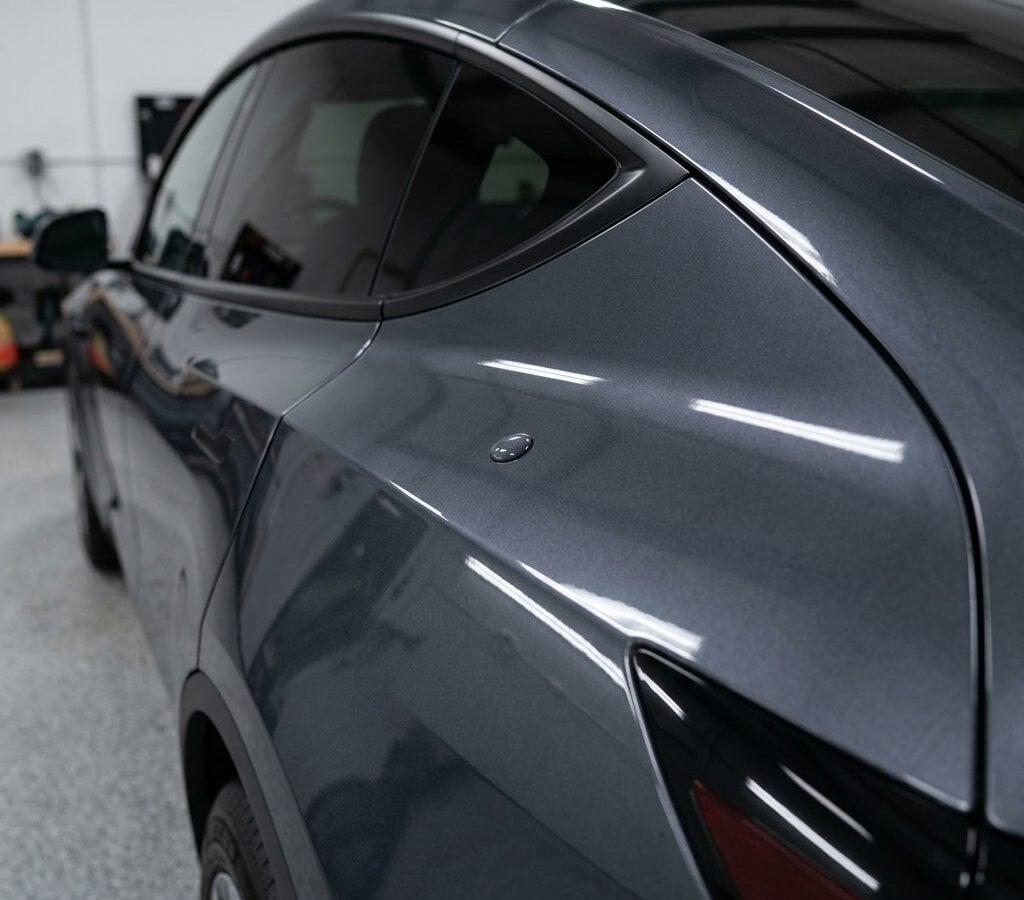
Before. After. Same vehicle, same day.
A recent surface decontamination job in Franklinton. We photograph every job at delivery — these are real customer cars, not stock photos.
PROCESS
The way we run surface decontamination jobs.
Foam
Lift loose contamination before any contact.
Iron
Spray iron remover on paint and wheels, watch it turn purple where iron particles react, rinse.
Tar
Direct tar remover on tar dots, let dwell, wipe off.
Sap
Solvent on bird droppings and sap, dwell, rinse.
Clay
Clay bar the whole vehicle, panel by panel, with quick detailer as lubricant.
Rinse
Final rinse to remove any clay residue.
WHAT THE RALEIGH-AREA CLIMATE DOES TO PAINT
The local conditions surface decontamination has to handle.
UV and heat
Roughly four months a year you'll see 90-plus afternoons here. UV index hits 9 or 10 on a clear July day. Paint that lives outside takes a measurable hit every season. Sealants flash off faster. Carnauba wax melts off the panel inside a month once summer settles in. So the chemistry we run is UV-stable across the board, with reapplication intervals built around NC sun.
Pollen and tree sap
Wake and Durham counties grow oaks, pines, and tulip poplars in tight canopy. Spring pollen coats every vehicle for six to eight weeks. Summer sap drops on parked cars year-round. Both are acidic on the clear coat if they sit. Quarterly decon isn't a luxury here. It's what keeps the paint surface honest. We size the wash schedule to your specific street and tree mix.
Brine and freeze-thaw
NC DOT pre-treats every winter weather event with brine. We get less salt than the mountains, but enough that undercarriage neglect turns into visible corrosion inside three to five years. A salt rinse after each brine event, plus an undercarriage flush in early spring, keeps frame rust from showing up at the resale inspection.
Franklinton specifics
In Franklinton, the climate detail that drives our schedule is this: pollen here lasts a week or two longer than Raleigh — we plan late-April clay-bar work for Franklinton bookings. The way driveways here sit (long rural drives are the norm; gravel approaches common) changes our setup more than people expect.
What Franklinton customers say
-
★★★★★
The team was great to work with and showed up on time. We used them on our Cadillac Escalade for their 2 stage service. They ran out of time because of how much had to be cleaned (lots of dog…
Eric M. · Raleigh -
★★★★★
Excellent service, showed up as promised, did a fantastic job. Highly recommend for anyone wanting a new car look that will last. Working on your Ford Bronco was a blast! That ride is sweet, and it didn't even feel like…
Gary R. · Raleigh -
★★★★★
The team did a great job at restoring the black paint on my 12 year old car. It was covered in unsightly water spots and now it looks spectacular. Thanks! So happy we were able to get those water spots…
Gym K. · Raleigh
FAQS
Common questions for surface decontamination in Franklinton.
How often?
Once or twice a year for daily drivers. Before any paint correction or coating, always.
What do you run into most on Franklinton jobs?
Agricultural and logging-truck traffic on local roads means cars accumulate tar and bug residue quickly. We flag it during the walk-around so it is priced into the written scope, never a surprise on job day.
When do Franklinton owners usually book surface decontamination?
Pollen runs a couple weeks longer here, so late-April is the recovery window. Booking a week or two ahead of that window gets the pick of the schedule.
NEXT STEP
Need surface decontamination in Franklinton?
Tell us about the vehicle. We come walk it, write a real treatment plan, and back the work with a written guarantee.
Book surface decontamination in Franklinton
Fast reply by text — takes 30 seconds.