
Trim Restoration · Wake Forest
Trim restoration in Wake Forest.
Mobile trim restoration in Wake Forest. Wake Forest is a historic small town that has absorbed two decades of country-club growth on the north side of the Triangle, so gated communities like Heritage and Hasentree require visitor passes — we coordinate gate codes the night before. We bring the rig to your driveway and run the job hand-tight — no tunnel-wash shortcuts, no upsells while the polisher is running.
Get a Wake Forest quote → See full trim restoration service
5.0 from 37 local reviews
STRAIGHT ANSWER
Plastic trim restoration in Wake Forest. The Heritage subdivision, downtown WF, and the new builds near WFU all park vehicles outside through long Triangle summers. We restore window trim, bumpers, and door cladding back to deep black with a water-based coating, in your driveway.
In Wake Forest, the main local wrinkle: gated communities like Heritage and Hasentree require visitor passes — we coordinate gate codes the night before.
LOCAL CONTEXT · WAKE FOREST
What trim restoration looks like in Wake Forest.
Wake Forest is a historic small town that has absorbed two decades of country-club growth on the north side of the Triangle. Local climate note: dogwood and azalea blooms drop pollen and petal residue that needs hand-removal in spring. Driveways here are long concrete drives in the country-club communities, narrower drives in historic downtown, which shapes how we set up the rig. One thing we always adjust for in Wake Forest: gated communities like Heritage and Hasentree require visitor passes — we coordinate gate codes the night before.
BEFORE YOU BOOK
When to book it, and what to expect.
When trim restoration is the right call
Faded plastic trim is one of the most visible aging cues on a car. NC sun beats up cowl panels, bumper trim, side moldings, mirror caps, and door handle inserts faster than people realize. Cars two years old already show it. Cars five years old look a decade older than the paint underneath. Three situations point to trim restoration: you're getting the car ready for sale and the trim is the first thing a buyer sees, you just bought used and the previous owner ignored UV protection, or you keep the car long term and the gray haze is a chronic annoyance. Restored trim lasts 18 to 36 months with the right product. Not 6 weeks like aerosol can shine.
What the walk-around covers
Material identification first. Textured plastic (cowl panels, bumper trim) restores cleanly with a polymer dressing or trim coating. Smooth plastic (mirror caps, some door handles) needs a different product. Painted plastic (color-matched bumpers that have faded) is paint work, not trim work, and we'll route it accordingly. We check for cracks and warping, since severely degraded trim sometimes needs replacement, not restoration. We test color uniformity in a hidden spot before the visible panel gets product. And we talk through the maintenance interval. A trim coating that lasts 24 months is a different conversation than a dressing that needs to be refreshed every 8 weeks.
The Wake Forest wrinkle
In Wake Forest specifically, the most common reason a trim restoration booking gets pushed back a week is gated communities like Heritage and Hasentree require visitor passes — we coordinate gate codes the night before. We try to flag that during the walk-around so the timeline holds.
Ready for trim restoration in Wake Forest?
Free walk-around quote. We come to you — most requests get a text back within 2 business hours.
WHAT WE SEE IN WAKE FOREST
What this looks like for Wake Forest drivers.
Wake Forest is largely 2005-and-newer suburban — Heritage, Wakefield Plantation, and the newer corridors near WFU. Driveway parking is the norm, and the trim oxidation pattern is consistent: window trim first, then bumpers and mirror caps by year four. Restoration on these vehicles is often the difference between a daily driver that looks neglected versus one that looks maintained.
WHAT WE LOOK AT
What a trim restoration walk-around covers
The diagnosis is the actual work. Here is what we check before we touch your vehicle, and why each one matters.
WHAT WE DELIVER ON THE JOB
The work, step by step.
Every job follows the same checklist. We do not skip steps to hit a price, and we do not add steps without telling you. Here is the full sequence on a trim restoration job.
RESULT YOU CAN SEE
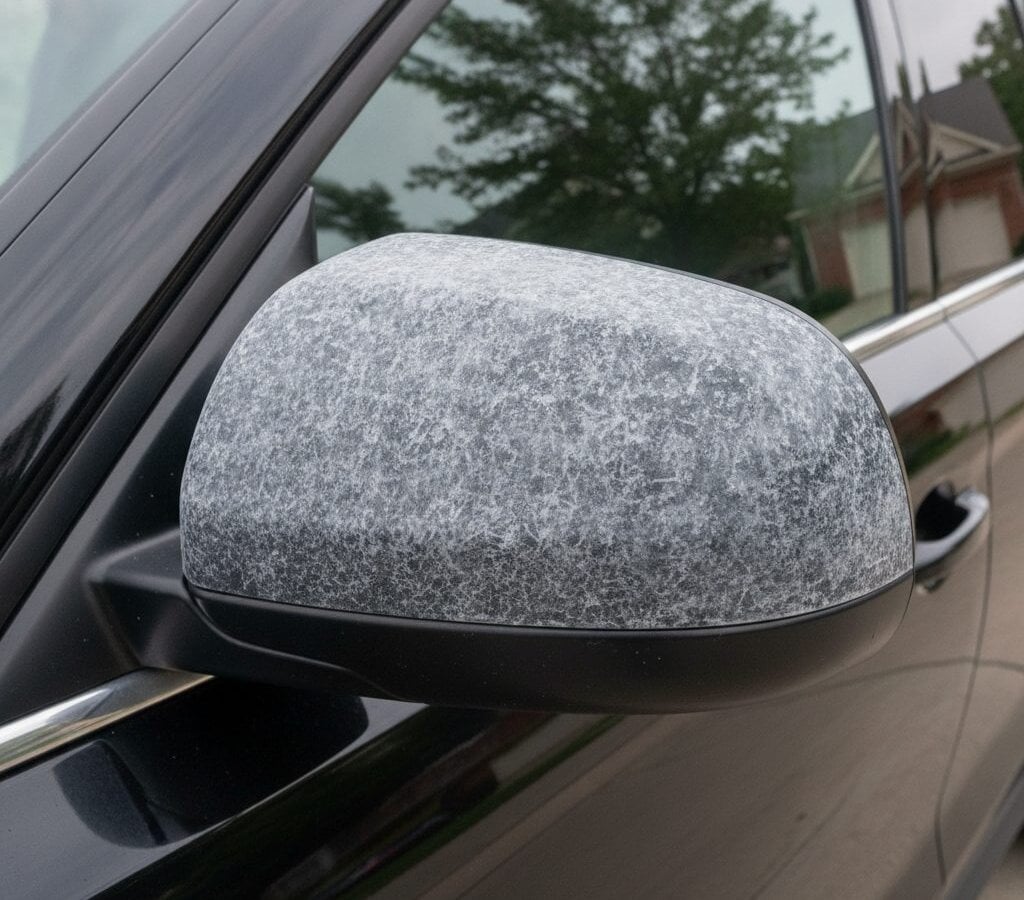
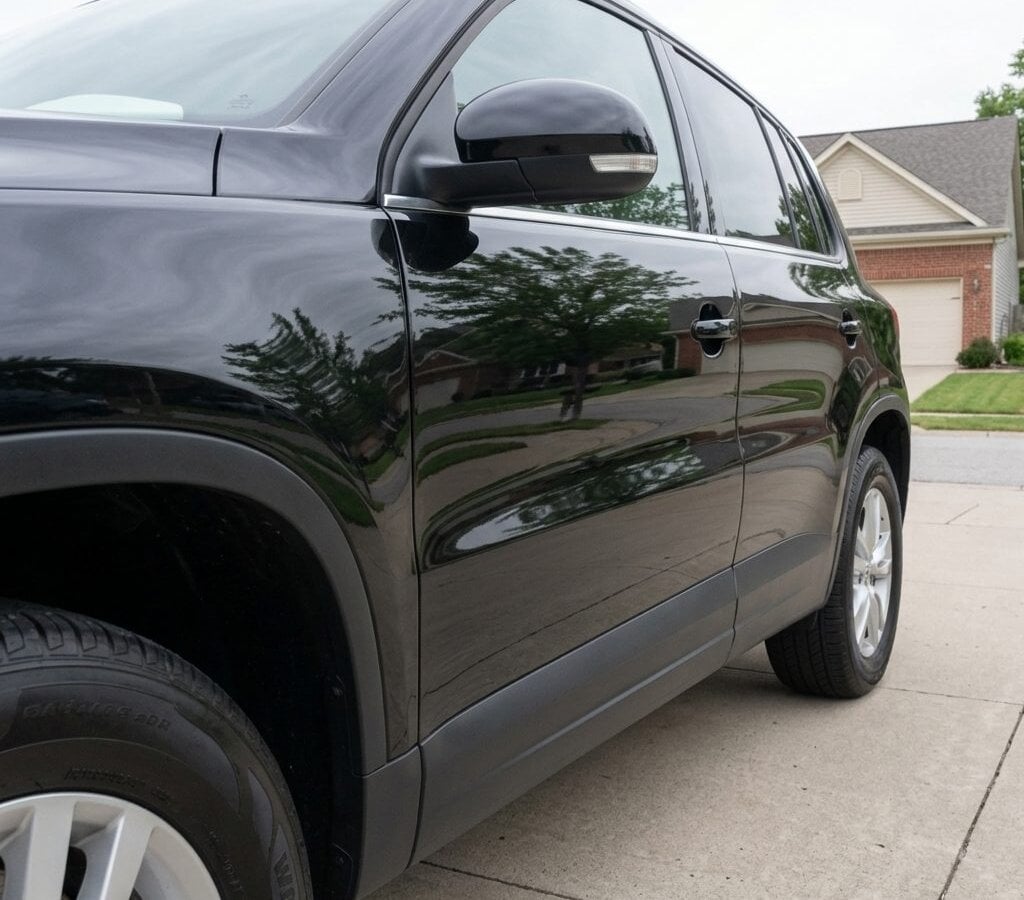
Before. After. Same vehicle, same day.
A recent trim restoration job in Wake Forest. We photograph every job at delivery — these are real customer cars, not stock photos.
PROCESS
How the job runs, start to handoff.
Wash
Decon wash the trim with degreaser to strip old dressing residues.
Wipe
Isopropyl alcohol or trim prep wipe to give the coating a clean surface.
Apply
Trim coating applied with foam applicator in even strokes.
Cure
30 minutes for first coat.
Second coat
On heavily oxidized trim where one coat does not bring it back fully.
Final
Wipe excess so no residue migrates onto paint.
WHAT THE RALEIGH-AREA CLIMATE DOES TO PAINT
The local conditions trim restoration has to handle.
UV and heat
Roughly four months a year you'll see 90-plus afternoons here. UV index hits 9 or 10 on a clear July day. Paint that lives outside takes a measurable hit every season. Sealants flash off faster. Carnauba wax melts off the panel inside a month once summer settles in. So the chemistry we run is UV-stable across the board, with reapplication intervals built around NC sun.
Pollen and tree sap
Wake and Durham counties grow oaks, pines, and tulip poplars in tight canopy. Spring pollen coats every vehicle for six to eight weeks. Summer sap drops on parked cars year-round. Both are acidic on the clear coat if they sit. Quarterly decon isn't a luxury here. It's what keeps the paint surface honest. We size the wash schedule to your specific street and tree mix.
Brine and freeze-thaw
NC DOT pre-treats every winter weather event with brine. We get less salt than the mountains, but enough that undercarriage neglect turns into visible corrosion inside three to five years. A salt rinse after each brine event, plus an undercarriage flush in early spring, keeps frame rust from showing up at the resale inspection.
Wake Forest specifics
In Wake Forest, the climate detail that drives our schedule is this: dogwood and azalea blooms drop pollen and petal residue that needs hand-removal in spring. The way driveways here sit (long concrete drives in the country-club communities, narrower drives in historic downtown) changes our setup more than people expect.
What Wake Forest customers say
-
★★★★★
The detailer is an extremely upfront and honest man. He told me he couldn't help me with my issue and instead of shutting me down, he made multiple suggestions of competitors who might be able to. I will use him…
Edward B. · Raleigh -
★★★★★
Excellent work from guys that were polite, knowledgeable, and paid close attention to detail. It was a pleasure to see good people doing great work, and took extreme pride in what they do!!! These boys took the time to make…
Elmon B. · Raleigh -
★★★★★
The team was great to work with and showed up on time. We used them on our Cadillac Escalade for their 2 stage service. They ran out of time because of how much had to be cleaned (lots of dog…
Eric M. · Raleigh
FAQS
Common questions for trim restoration in Wake Forest.
My trim is already gray and chalky. Can you bring it back?
Usually yes, with a two-coat application. Truly chalked surfaces (rough to the touch, white powder transfer) are harder and may need replacement.
Does Wake Forest weather change how you handle trim restoration?
Dogwood and azalea blooms drop pollen and petal residue that needs hand-removal in spring. That is built into how we schedule and prep jobs here rather than something we discover on arrival.
When do Wake Forest owners usually book trim restoration?
April-May petal and pollen recovery is the heaviest window. Booking a week or two ahead of that window gets the pick of the schedule.
NEXT STEP
Need trim restoration in Wake Forest?
Tell us about the vehicle. We come walk it, write a real treatment plan, and back the work with a written guarantee.
Book trim restoration in Wake Forest
Fast reply by text — takes 30 seconds.